
English| EUR
Suggested for you
More currencies
Choose a language
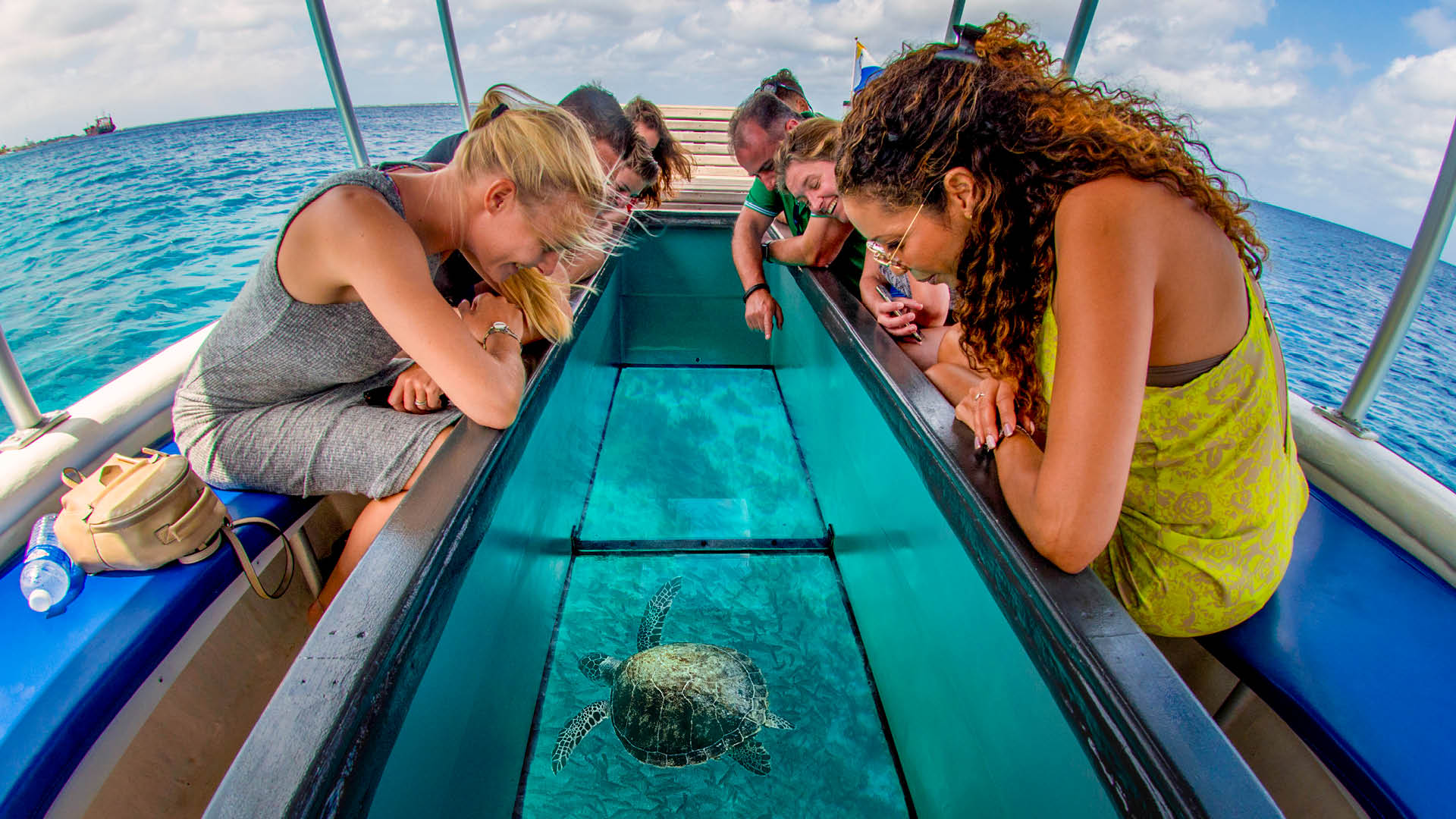
Glass bottom boat rides combine surface cruising with underwater observation through reinforced transparent panels built into the vessel floor. These tours reveal marine life, coral formations, and seabed features while passengers remain dry and stable above deck. The experience bridges snorkeling and traditional boat excursions, offering visibility typically reserved for divers.
Quick answer
A glass bottom boat ride is a marine tour aboard a vessel fitted with transparent viewing panels in its hull, allowing passengers to observe underwater ecosystems without entering the water. Most tours last 60 to 90 minutes and depart from coastal marinas between 09:00 and 17:00 daily, with morning departures offering the calmest sea conditions and clearest visibility through the reinforced glass sections.
The hull design defines the experience. Viewing panels span the center section of the deck, typically measuring two to four meters in length and constructed from laminated acrylic or tempered glass up to five centimeters thick. These panels sit below the waterline when the vessel is at operational draft, creating an aquarium effect as the boat moves over reefs, kelp forests, or open seabed. Visibility depends on water clarity, sunlight angle, and sea state. Calm mornings produce the sharpest views—wave action stirs sediment and reduces light penetration, while afternoon wind chop can blur the glass-water interface. Coastal operators typically cruise at three to five knots over marked underwater features, allowing time for passengers to identify species and formations below. What is a glass bottom boat ride if not a controlled method of marine observation? The transparent floor turns the hull into a mobile observatory, positioning viewers directly above subjects that would otherwise require scuba certification or snorkeling gear to reach. Marine life sightings vary by location and season. Tropical routes showcase coral polyps, reef fish, sea turtles, and rays gliding across sandy patches. Temperate waters reveal kelp canopies, rock formations colonized by invertebrates, and occasional pelagic visitors like dolphins or small sharks. The viewing depth rarely exceeds ten meters—beyond that range, even clear water absorbs too much light for detailed observation. Captains navigate based on tide schedules and known aggregation points, adjusting routes when conditions shift. Access is straightforward. Most vessels board via a short gangway with minimal vertical clearance, requiring just three steps from dock to deck. Seating surrounds the viewing panels in tiered or wraparound configurations, and no prior experience is necessary. The format suits mixed groups: families with young children, visitors who prefer not to swim, and photographers seeking stable shooting platforms all share the same vantage point. Entry to the harbor area itself is free, though individual tour operators set their own fees based on duration and route complexity.
“The transparent floor turns the hull into a mobile observatory, positioning viewers directly above subjects that would otherwise require scuba certification.”
The best time for a glass bottom boat ride is during the morning hours, specifically between 09:00 and 11:00. At this time, sea conditions are typically at their calmest, providing superior underwater visibility for viewing marine life and whales.
Mild temperatures 18-22°C; stable seas.
These months offer a balance of pleasant weather and active marine life, ideal for underwater observation.
Warm temperatures 20-25°C; clear waters.
Sea conditions often remain calm after the summer, providing good clarity for viewing through glass panels.
—
Choosing a weekday morning maximizes the chance of calm water and fewer passengers, which aids visibility through the vessel viewing areas.
Verdict: The best time to experience a glass bottom boat ride is on a weekday morning between 09:00 and 11:00 during the months of April or October.
Glass bottom boat operations for whale watching activities are open daily to facilitate coastal departures.
Access to the harbor area itself is free of charge. Actual tour fees are determined independently by each glass bottom boat operator based on the specific excursion and duration.
Verdict: While harbor entry is 0 EUR, tour costs vary significantly depending on the selected operator and specific excursion itinerary.
Glass bottom boat excursions depart from various coastal harbors in Fuerteventura, typically located within the island's main tourist marinas. Most visitors reach these docks by car or local bus services that connect major resort areas directly to the waterfront.
Follow the FV-1 or FV-2 to local harbor signage
Public TITSA lines serving harbor stops
Follow harbor promenade signs to the main pier
The harbor area requires navigation across 3 steps for boarding. Arriving early allows for easier access to the boarding area before the scheduled departure.
Glass-bottom boats utilize reinforced acrylic or glass panels integrated into the hull to provide a direct view of the marine environment. These vessels allow passengers to observe Atlantic aquatic life without entering the water.
The first glass-bottom boats were developed to allow tourists to observe coral reefs without traditional diving equipment. Modern versions use thick, pressure-resistant acrylic for safety and clarity
Water acts as a magnifying lens, making objects beneath the surface appear larger and closer than they are. This effect enhances the visibility of small fish and sea floor details during the ride
The waters surrounding Fuerteventura are home to species such as the parrotfish, sea bream, and loggerhead sea turtles. These animals often congregate near volcanic rock formations found along the coast
The volcanic composition of the Canary Islands results in minimal sediment, leading to high water transparency. This environment provides ideal conditions for observing submerged rocky reefs and sandbanks
Most glass-bottom boats are designed with a catamaran hull, which provides a wider beam and increased stability on the water. This design helps maintain a steady view for passengers while minimizing motion during the tour
Many coastal routes pass through protected zones where fishing is restricted, contributing to higher concentrations of marine life. These sanctuaries are critical habitats for local fish populations and migratory species.
Glass bottom boat tours for whale watching require minimal preparation, but a few key items will enhance your experience on the water.
Everything you need to know about what is a glass bottom boat ride
A glass bottom boat ride is a maritime excursion featuring viewing panels integrated into the hull, allowing passengers to observe the seafloor while remaining dry. This vessel type provides a unique perspective of coastal ecosystems during whale watching activities. Many visitors ask what is a glass bottom boat ride to understand if they need to bring snorkeling gear. It offers a comfortable way to experience the ocean without entering the water.
Unlike a submarine tour, these boats remain on the surface while guests peer through reinforced windows into the water column. When considering what is a glass bottom boat ride, travelers often appreciate this stable, sea-level alternative. It remains a popular choice for those who prefer to stay above the waves.
Yes, these family-friendly trips are accessible for most ages and provide a safe environment to view sea creatures. Explaining what is a glass bottom boat ride to children can increase their excitement for seeing fish and turtles. Safety rails and indoor seating make the journey secure for younger passengers.
The best time to visit is during the morning hours, specifically between 09:00 and 11:00. Calmer sea conditions during this window significantly improve underwater visibility for all passengers. Early starts help ensure the smoothest transit along the coastline.
The observation windows allow for sightings of diverse marine species, including various fish, rays, and occasionally larger cetaceans in their natural habitat. Seeing the aquatic life through the hull is a core component of the experience. The clarity of the water around the archipelago is a major highlight for nature enthusiasts.
The harbor area itself has free entry, though individual operators charge fees for their specific tours. You do not pay to access the marina facilities before meeting your boat. Always check with the specific operator for the current cost of your selected excursion.
Boarding typically involves negotiating 3 steps to access the vessel deck. This physical requirement is standard for most harbor-based boats. Please prepare accordingly if you have mobility concerns.